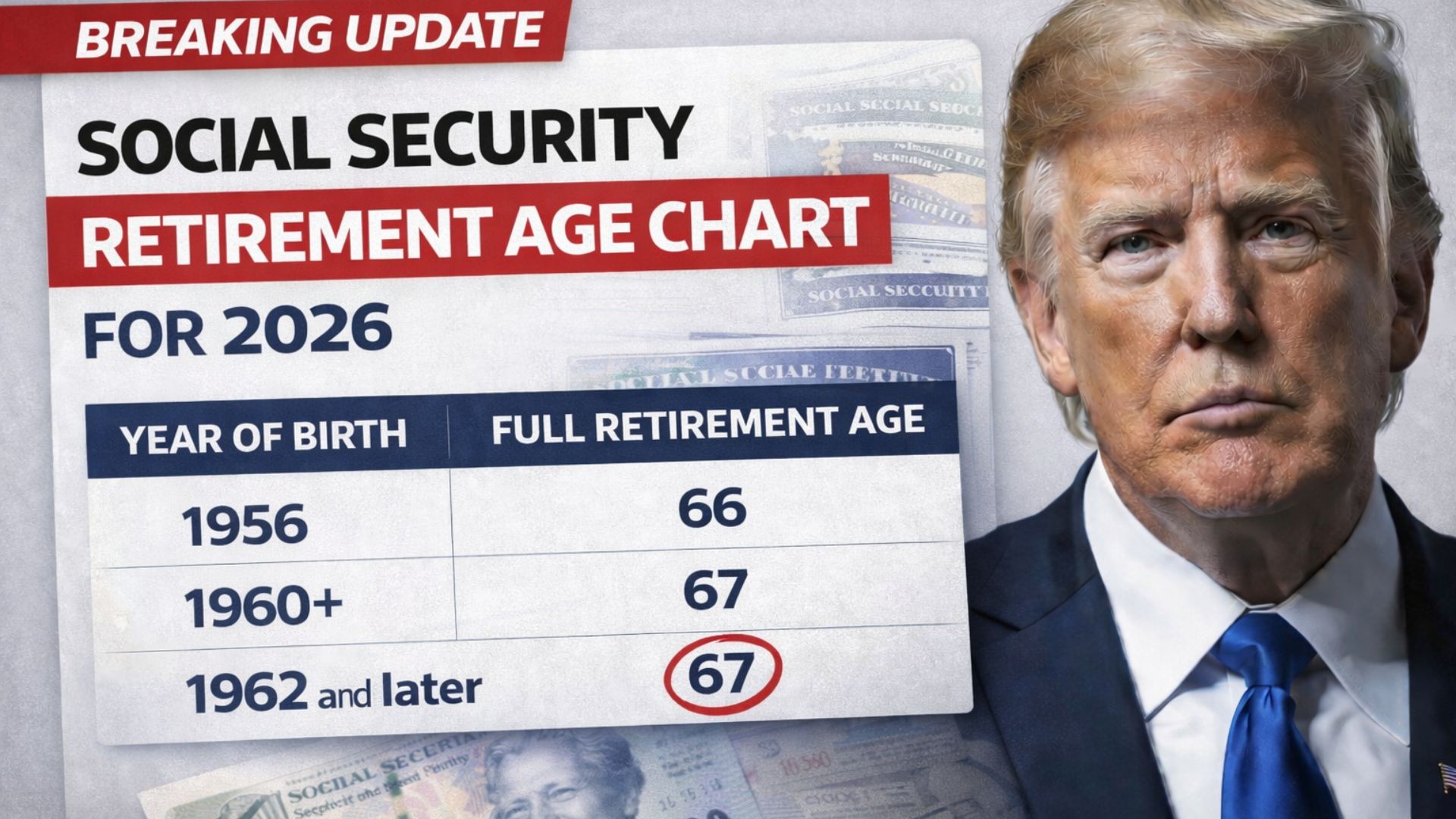
Navigating the complexities of Social Security benefits is a crucial component of retirement planning, especially in an era where financial stability is increasingly vital. As living costs escalate, the decision of when to claim Social Security benefits can significantly influence your financial well-being in retirement. By 2026, the rules governing Social Security remain consistent, yet the implications of choosing the right time to start collecting your benefits have never been more significant.
Understanding Full Retirement Age
Full Retirement Age (FRA) is a pivotal concept for anyone approaching retirement. It marks the age at which you can claim 100% of your entitled Social Security benefits. For those born in 1960 or later, the FRA is set at 67 years. Deciding to claim before or after reaching this age will directly affect the amount you receive monthly. Choosing to retire earlier than your FRA means accepting a permanent reduction in monthly benefits, which could impact your finances over time. Conversely, waiting until you reach or surpass your FRA ensures that you receive the full benefit amount you're entitled to.
The Implications of Early Claiming
You have the option to begin collecting Social Security as early as age 62. However, this decision comes with its downsides. Claiming benefits before reaching FRA results in a permanent decrease in monthly payments, which persists throughout your retirement. This reduction could be as much as 30%, impacting your financial resources significantly over time. While early claiming might be beneficial for those who require immediate income or face health challenges that might shorten their lifespan, it necessitates careful consideration due to its long-term effects on income stability.

Working and Receiving Benefits Before FRA
For individuals who claim Social Security benefits before reaching their full retirement age while continuing to work, there are additional financial considerations to keep in mind. If you earn above certain limits set by the Social Security Administration, your benefits may be temporarily reduced until you reach FRA. Once you hit full retirement age, these reductions cease and your benefits are recalculated to compensate for any withheld amounts during your working years. Therefore, understanding how work impacts your benefits is essential for maximizing income without unnecessary deductions.
The Advantage of Delaying Benefits
Delaying claiming Social Security beyond your full retirement age up until age 70 can result in increased monthly payments due to delayed retirement credits. Your benefit can grow by approximately 8% annually for each year you postpone taking them past FRA, up to age 70. This strategy may lead to substantial lifetime gains in income, particularly advantageous if you expect a longer life expectancy. For individuals prioritizing future financial security over immediate cash flow, delaying could be a financially prudent choice.
Making an Informed Decision
Determining when to begin collecting Social Security is ultimately a personal decision that should reflect individual circumstances such as health status, financial needs, existing savings, and employment plans post-retirement. Reviewing your detailed Social Security statement can provide insights into projected benefits at various claiming ages and help facilitate an informed choice. Moreover, online tools from the Social Security Administration enable comparisons between different scenarios and help illustrate potential outcomes based on varying ages of claiming.

Even slight alterations in when you decide to start collecting can translate into tens of thousands of dollars gained or lost over a lifetime—highlighting why understanding these details is crucial for effective retirement planning and ensuring long-term financial stability.
Disclaimer:
This article is for general informational purposes only and does not constitute financial, legal, or retirement planning advice. Social Security rules, benefit calculations, and earnings limits may change as policies update beyond March 24, 2026. Individual circumstances vary widely; readers should consult with professional advisors for personalized guidance tailored to their specific needs and situations.