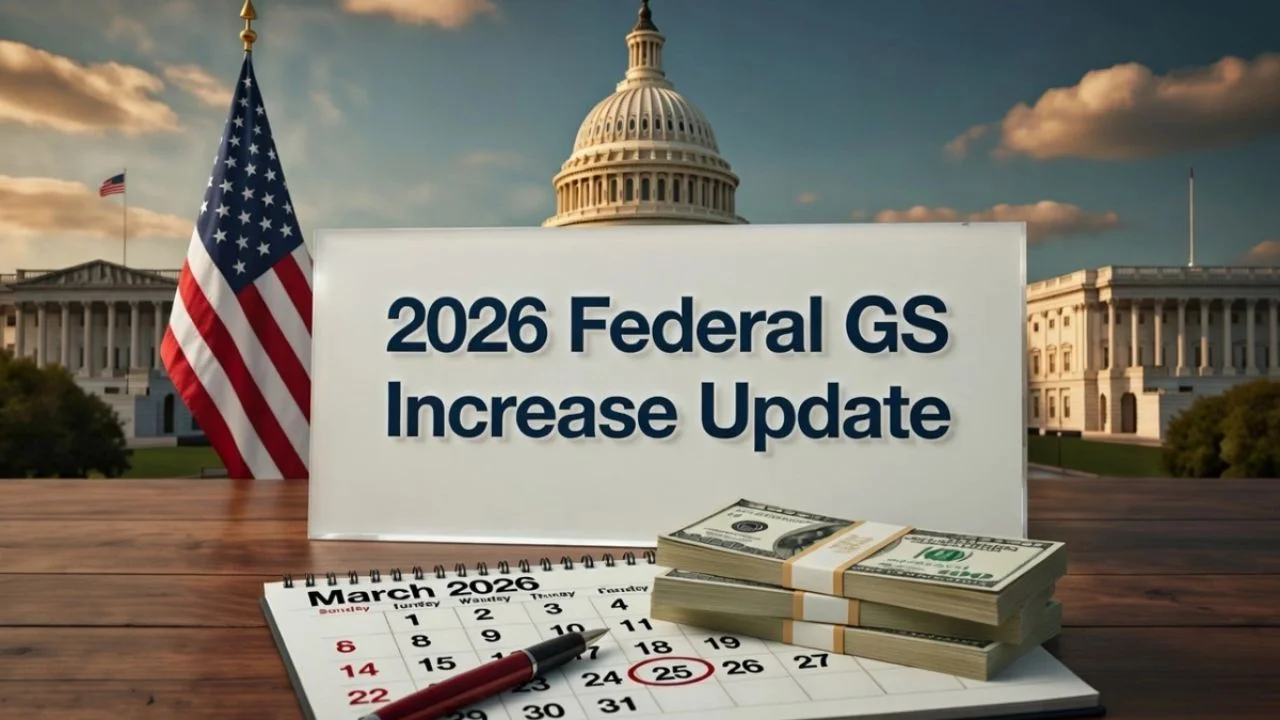
Starting in 2026, federal employees on the General Schedule (GS) pay scale will experience a modest financial boost with a 1% increase in their base pay. While this adjustment aims to offer some relief amid inflationary pressures, it's important to note that locality pay rates will not see any changes. This development is set to affect a wide array of federal workers who rely on these salaries, prompting discussions about the broader implications for income and morale within the public sector.
Understanding the GS Pay Scale
The General Schedule (GS) pay scale is an essential framework used by the United States federal government to standardize compensation for its vast workforce. Employees are categorized across 15 grades, each with ten steps that reflect advancement based on performance and tenure. The GS system is used predominantly for white-collar positions including administrative, technical, and professional roles. A significant portion of the federal workforce falls under this system, making any adjustments to it widely impactful. For 2026, the decision to implement a 1% base pay raise highlights ongoing efforts to maintain competitive compensation in a challenging economic climate, despite debates over whether this increase adequately addresses cost-of-living concerns.
The Implications of a 1% Base Pay Raise
A 1% raise might appear nominal at first glance, but it carries nuanced implications for federal employees. This increase provides a modest augmentation to take-home pay, aiming to counterbalance inflation and rising living costs that have been persistent issues for many workers. However, the absence of changes in locality pay means employees in high-cost areas may still face financial strain. Locality pay is intended to adjust salaries based on geographic cost disparities, and without an increase in these rates, employees in cities like San Francisco or New York may find their purchasing power relatively unchanged. Thus, while the base pay raise is universally applied across all locations, its real-world benefits can vary significantly depending on individual circumstances.

The Broader Economic Context
The economic environment surrounding this decision is critical for understanding its potential effects. As of March 20, 2026, inflation remains a central concern for policymakers and workers alike. Although a 1% increase could help mitigate some immediate pressures on household budgets, it may fall short of addressing broader economic challenges such as housing affordability and healthcare costs which have seen substantial increases. Federal employees might still need to adjust their financial strategies or seek additional income sources to maintain their living standards. In response to these challenges, there has been some criticism from employee advocacy groups arguing that more substantial raises are necessary for maintaining workforce morale and retention.
Reactions from Federal Employees and Unions
The announcement of a 1% increase has elicited varied reactions among federal employees and their representing unions. Some express gratitude for any form of raise during uncertain times; however, others view it as insufficient given the rising costs they face daily. Unions have been particularly vocal about their concerns regarding stagnant locality pay rates which disproportionately impact those stationed in high-cost areas. They argue that failure to adjust locality pay could exacerbate existing disparities among regions and potentially affect recruitment efforts in more expensive locales. Nonetheless, union representatives continue to engage with lawmakers and advocate for more comprehensive measures that can better serve the diverse needs of federal workers across the country.
In summary, while the 1% base pay increase for federal employees scheduled for March 20, 2026 offers some financial relief amid challenging economic conditions, it also underscores ongoing debates regarding fair compensation within public service sectors. The lack of changes in locality pay highlights disparities that remain unaddressed by this update alone. Federal workers are encouraged to assess how these changes may influence their personal finances and consider advocating through unions for future adjustments that better reflect their lived realities.

Disclaimer: The information provided herein reflects updates scheduled as of March 20, 2026. Individual circumstances may vary; readers should seek professional advice relevant to their specific situation when considering financial or career decisions based on these changes.