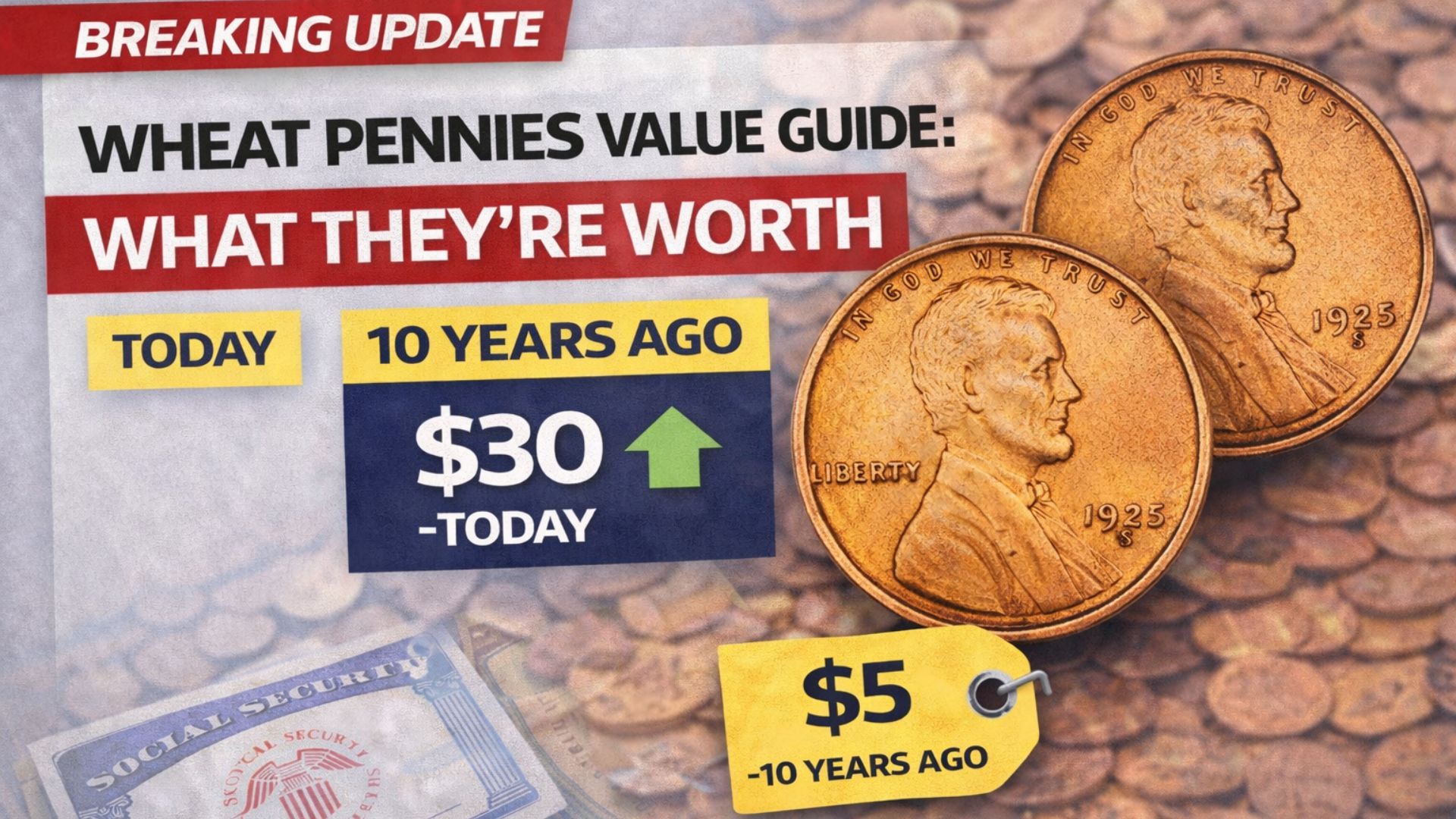
Wheat pennies, also known as Lincoln Wheat Cents, are a captivating aspect of American numismatics. Minted between 1909 and 1958, these coins are distinguished by the iconic wheat stalks on their reverse side and the historic image of President Abraham Lincoln on the front. Over the last decade, wheat pennies have witnessed an appreciable rise in value, making them a favored pursuit for both novice and seasoned coin collectors alike.
Historical Significance
One of the primary reasons for the enduring popularity of wheat pennies is their historical significance. These coins marked a notable departure from previous U.S. coin designs by featuring a real person rather than symbolic imagery. The choice of President Abraham Lincoln in 1909 was groundbreaking and added a layer of cultural importance that continues to attract collectors. Compared to many other antique coins, wheat pennies offer a relatively affordable entry point into coin collecting while still presenting opportunities to discover rare and valuable pieces.
Variety and Rarity
The variety inherent in wheat pennies further enhances their appeal. Produced across different mints and years, with occasional errors occurring during minting, these variations significantly influence each coin's value. Collectors often seek specific years or mint marks that were produced in smaller numbers or have unique characteristics such as doubled lettering or off-center strikes. For instance, the 1909-S VDB, 1914-D, and 1931-S wheat pennies are famously rare and desirable among collectors. Their scarcity has led to sharp increases in value, especially over the last ten years.

The Role of Condition
The condition of a wheat penny is crucial in determining its market value. Coins range from very worn to mint state conditions, with even minor differences having significant impacts on their prices. In recent years leading up to March 24, 2026, there has been a noticeable trend among collectors prioritizing high-grade coins over lower-grade ones. This focus on superior quality has propelled the values of well-preserved pennies with sharp details and original coloring more rapidly than their more worn counterparts.
Market Trends Over Ten Years
Over the past decade leading up to March 24, 2026, wheat penny values have generally shown a steady increase. Common wheat pennies remain accessible and affordable but have appreciated slightly due to decreased availability of higher-quality examples. Conversely, high-grade coins with minimal wear have experienced considerable price hikes as collector interest in pristine conditions intensifies. Evaluating a coin's potential value involves examining its year and mint mark along with its condition for any unique features that might enhance its worth.
Wheat pennies continue to be a rewarding facet of coin collecting due to their historical charm and steady appreciation in value over time. With diligent research and careful handling, collectors can enjoy both the historical intrigue and financial potential these classic coins offer.

Disclaimer:
This article is for informational purposes only. Coin values change based on condition, rarity, and market demand. Prices mentioned are not guaranteed. Readers should consult recent auction results or professional appraisals for accurate assessments.